


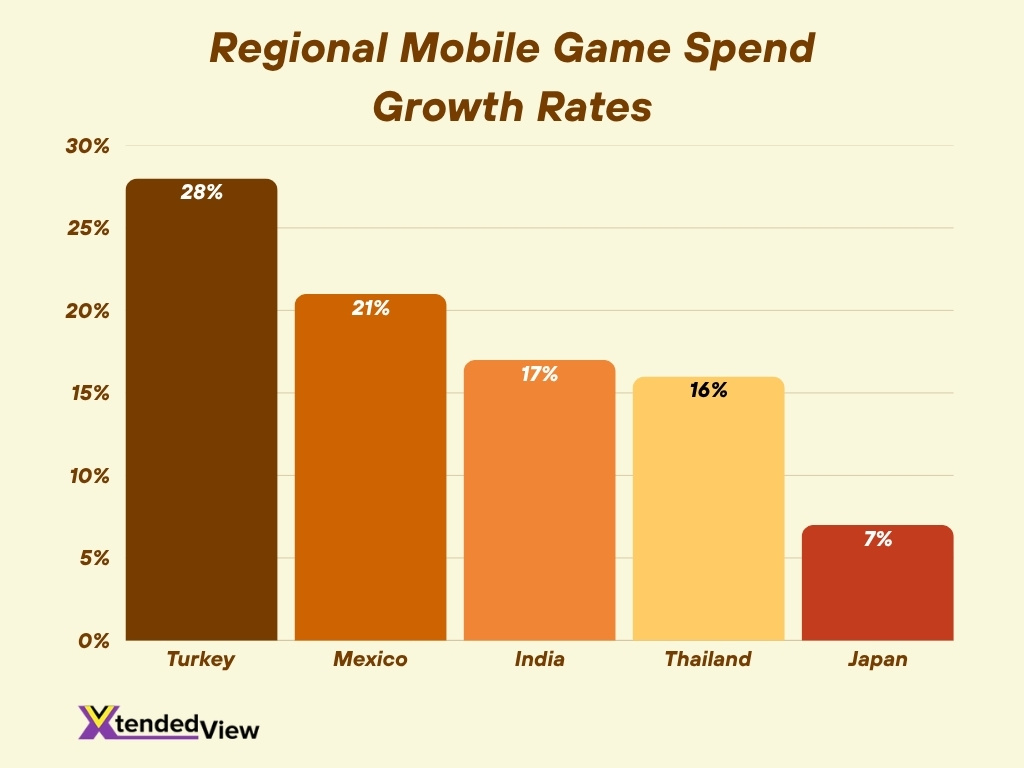
Unleashing the Potential: Mobile Gaming Growth with Free Offers
The mobile gaming industry is experiencing unprecedented growth, with millions of players around the globe engaging in a vast array of games at their fingertips. The innovative integration of free offers, Mobile Gaming Growth With Free Bonus No Deposit Casino free bonus no deposit casino, and premium gaming experiences are revolutionizing how gamers approach mobile entertainment. This article will explore the growth trends in mobile gaming, the impact of free offers, and the future of this booming sector.
In recent years, mobile gaming has transitioned from a niche market to a dominant force within the gaming industry. As smartphones and tablets have become ubiquitous, games designed for these devices have pushed boundaries in graphics, gameplay mechanics, and user experience. The rise of mobile gaming is largely attributed to the affordability of devices, high-quality internet access, and the proliferation of app stores featuring diverse gaming options.
The Rise of Free-to-Play Models
One of the most significant trends in mobile gaming is the shift towards free-to-play (F2P) models, which allow players to download and play games without any upfront costs. This approach has lowered the barrier to entry, attracting a vast audience that may have previously been deterred by the price of traditional gaming consoles or PC games.
Free-to-play games often monetize through in-game purchases or advertisements, providing players with multiple ways to engage. Players can choose to buy cosmetic items, additional levels, or character upgrades, allowing for customization without mandating a financial commitment upfront. This model has proven successful with popular titles like “Fortnite,” “Candy Crush Saga,” and “PUBG Mobile,” which have generated billions in revenue.
Impact of Free Offers and Bonuses
As competition in the mobile gaming market intensifies, developers and publishers have increasingly turned to free offers, promotions, and bonuses to attract players. These incentives not only bolster player acquisition but also help retain existing users, leading to higher overall engagement levels.
One example of this trend is the incorporation of no deposit bonuses in mobile casinos. These offers allow players to try out games without risking their own money, thus encouraging participation from a wider audience. Many players are drawn to the excitement of potentially winning real money without having to make an initial financial commitment. This approach has effectively opened the door for casual gamers to explore mobile casino offerings, significantly expanding the customer base.
The Role of Technology in Enhancing Mobile Gaming Experiences
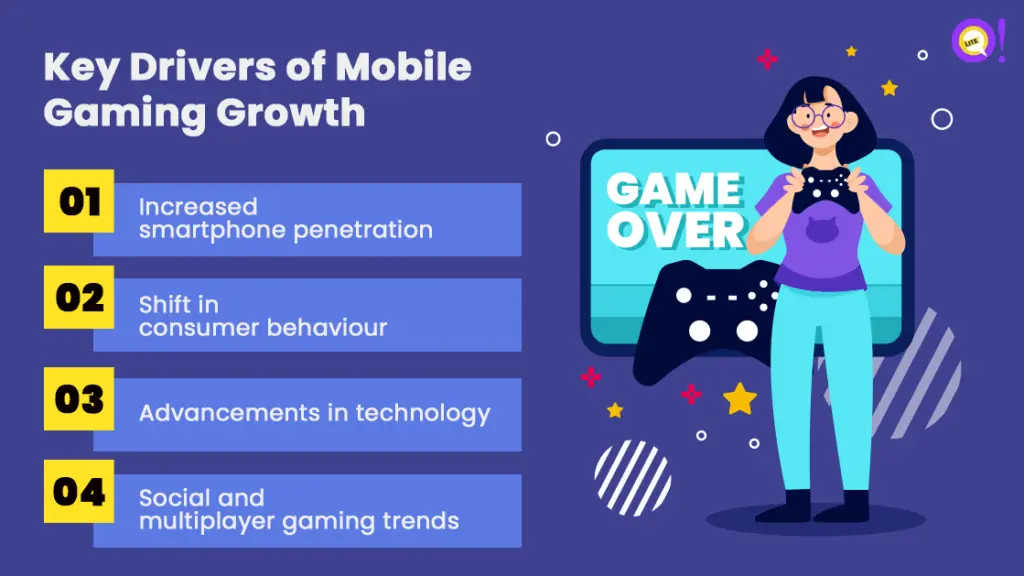
Advancements in technology have played a crucial role in the growth of mobile gaming. Enhanced graphics capabilities, faster processors, and improved battery life on mobile devices have resulted in high-quality gaming experiences that rival traditional consoles. Additionally, the implementation of augmented reality (AR) and virtual reality (VR) technologies has created immersive environments that further engage players.
Technological trends like cloud gaming, which allows users to stream games directly to their devices, have also contributed to mobile gaming growth. This innovation reduces reliance on hardware specifications, making high-quality games accessible to a broader range of devices. Services like Google Stadia and NVIDIA GeForce NOW cater to the mobile gaming sector, ensuring that players can enjoy their favorite games on the go without needing the latest devices.
Market Trends and Consumer Behavior
From a market perspective, the mobile gaming industry is on an upward trajectory. According to recent statistics, the global mobile gaming revenue is expected to surpass $100 billion by 2025. This growth is fueled by the explosion of smartphone penetration in developing regions, where mobile devices are often the only means to access the internet.
Moreover, consumer behavior has shifted, with players increasingly valuing community engagement and social interaction within games. Features like multiplayer modes, social sharing capabilities, and in-game events foster a sense of community, encouraging players to return. The success of games such as “Among Us” and “Genshin Impact” underscores the importance of these social features, demonstrating that players are not only looking for entertaining gameplay but also for connection with other gamers.
Challenges in the Mobile Gaming Landscape
Despite its remarkable growth, the mobile gaming industry faces several challenges. One concern is the saturation of the market, as thousands of new games are launched every year. This intense competition makes it difficult for developers to stand out and achieve visibility without significant marketing investment.
Additionally, issues related to data privacy and in-game purchases have come to the forefront. Players are becoming increasingly aware of how their data is utilized and may express concerns about excessive monetization practices. Game developers must navigate these challenges while ensuring compliance with regulations and maintaining player trust.
Future Outlook for Mobile Gaming
Looking ahead, the future of mobile gaming is bright. As technology continues to evolve, we can expect even more innovative gaming experiences to emerge. The rise of 5G technology promises to enhance online gaming capabilities, offering faster speeds and ultra-low latency that could transform how players engage with multiplayer games.
Moreover, the trend towards integrating blockchain and non-fungible tokens (NFTs) into mobile gaming experiences adds another layer of engagement and potential revenue for developers. Players can have ownership of in-game assets, creating new economies and opportunities for monetization.
Conclusion
The growth of mobile gaming is a testament to the industry’s adaptability and ability to leverage free offers and bonuses effectively. As technology continues to advance, platforms evolve, and player attitudes shift, the mobile gaming landscape will remain vibrant and dynamic. Embracing free-to-play models and innovative engagement strategies will be key to thriving in this competitive market, ultimately shaping the future of mobile entertainment.
